Rosa damascena
Petals—available in 1 ounce or 1/2 ounce and packaged in a plastic pouch.
Dried rose petals can be used in botanical tea blends, culinary infusions, and topical creations such as body sprays and floral baths. Roses have been used for centuries for their fragrance, folklore, and healthful properties.
History + Folklore
Roses have been cultivated for over 5,000 years. There are 150 natural named species worldwide and thousands more cultivars. The Chinese were the first to cultivate roses and begin hybridizing them.
In the Iliad, Homer mentions that Hector’s body was anointed with rose oil after he was killed by Achilles. The Greek poet Anacreon says that the foam that dripped from the body of Aphrodite when she emerged from the sea turned into white roses, later, when she is mourning over the body of her lover Adonis, her tears turn a white rose red. Roses are also associated with Eros, another Greek love God. Sappho called the rose the Queen of the Flowers.
Roses were also important to the Romans. Large public rose gardens were established by the nobility. Both Horace and Pliny wrote advice on the proper growing of roses. They were used as for medicine, fragrance and as confetti at celebrations. In Roman mythology, roses are associated with Flora, Bacchus, Vertumnus, Hymen, Venus and Cupid. Roman brides and grooms were crowned with roses and they were scattered at the feet of the victorious.
Magickal
Love, Psychic Powers, Healing, Divination, Luck, Glamour
Feminine, Venus, Water
Rose petals can be added to charms against the evil eye.
White roses worn at weddings will bring happiness and security to the couple.
Roses are used traditionally in love spells. It is great in incense and potpourri. Thorns can be used to mark wax figures.
A tea of roses can be drunk before sleep to induce prophetic dreams.
Rose petals around the house calm personal stress and household upheavals.
Warnings: No known precautions.
Rosa damascena
Petals—available in 1 ounce or 1/2 ounce and packaged in a plastic pouch.
Dried rose petals can be used in botanical tea blends, culinary infusions, and topical creations such as body sprays and floral baths. Roses have been used for centuries for their fragrance, folklore, and healthful properties.
History + Folklore
Roses have been cultivated for over 5,000 years. There are 150 natural named species worldwide and thousands more cultivars. The Chinese were the first to cultivate roses and begin hybridizing them.
In the Iliad, Homer mentions that Hector’s body was anointed with rose oil after he was killed by Achilles. The Greek poet Anacreon says that the foam that dripped from the body of Aphrodite when she emerged from the sea turned into white roses, later, when she is mourning over the body of her lover Adonis, her tears turn a white rose red. Roses are also associated with Eros, another Greek love God. Sappho called the rose the Queen of the Flowers.
Roses were also important to the Romans. Large public rose gardens were established by the nobility. Both Horace and Pliny wrote advice on the proper growing of roses. They were used as for medicine, fragrance and as confetti at celebrations. In Roman mythology, roses are associated with Flora, Bacchus, Vertumnus, Hymen, Venus and Cupid. Roman brides and grooms were crowned with roses and they were scattered at the feet of the victorious.
Magickal
Love, Psychic Powers, Healing, Divination, Luck, Glamour
Feminine, Venus, Water
Rose petals can be added to charms against the evil eye.
White roses worn at weddings will bring happiness and security to the couple.
Roses are used traditionally in love spells. It is great in incense and potpourri. Thorns can be used to mark wax figures.
A tea of roses can be drunk before sleep to induce prophetic dreams.
Rose petals around the house calm personal stress and household upheavals.
Warnings: No known precautions.

 Image 1 of 2
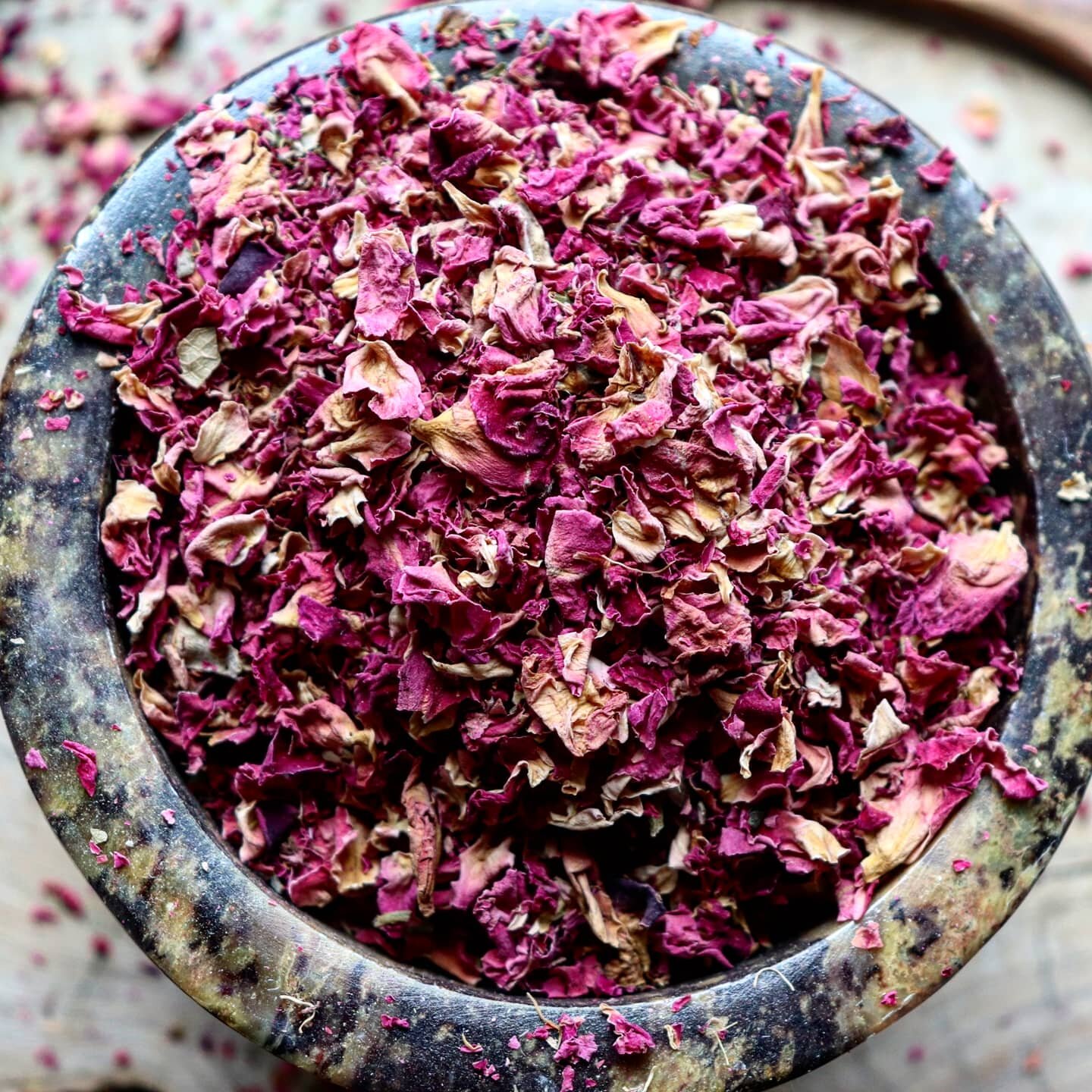 Image 2 of 2