Juglans nigra
USDA organic & Kosher
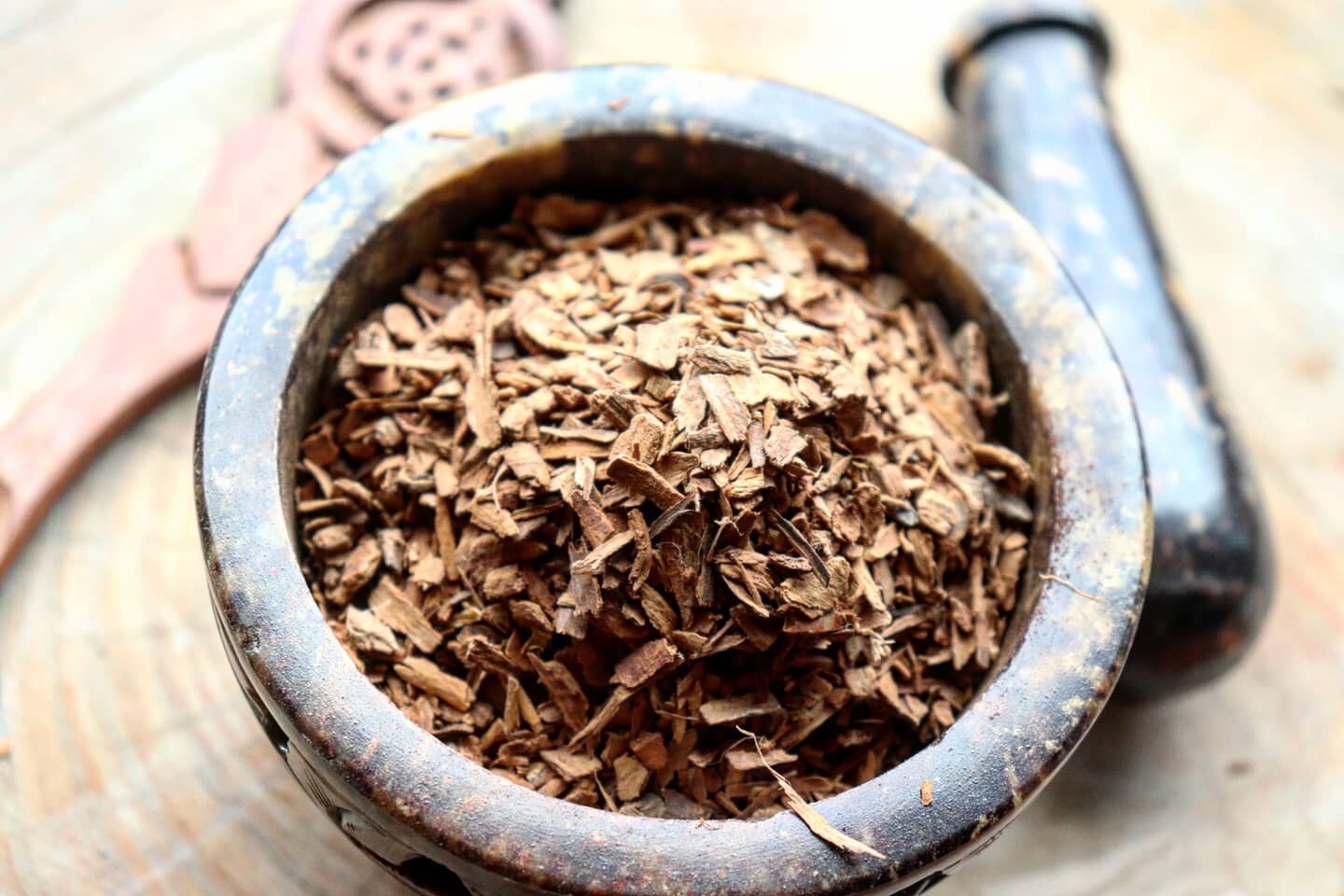
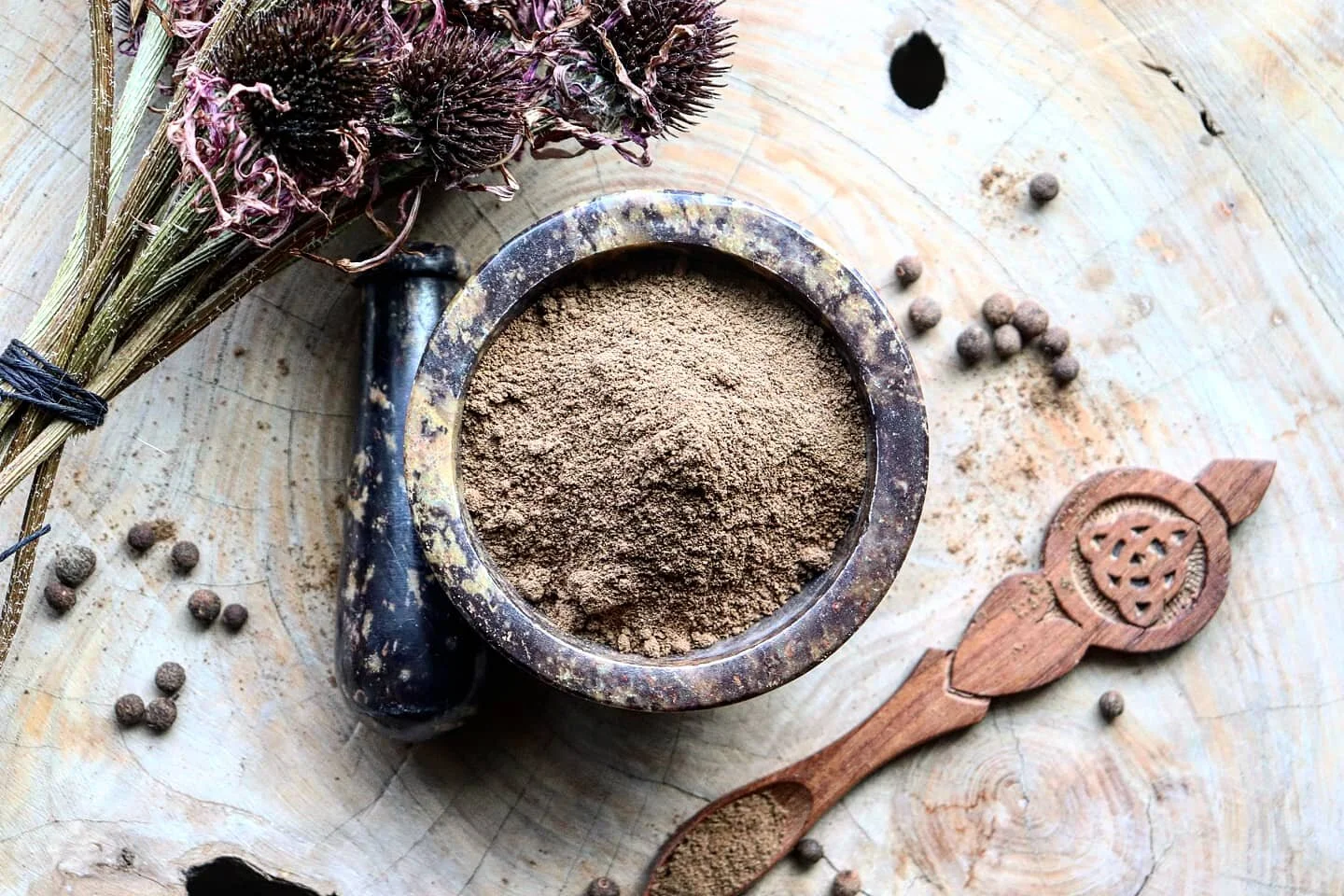
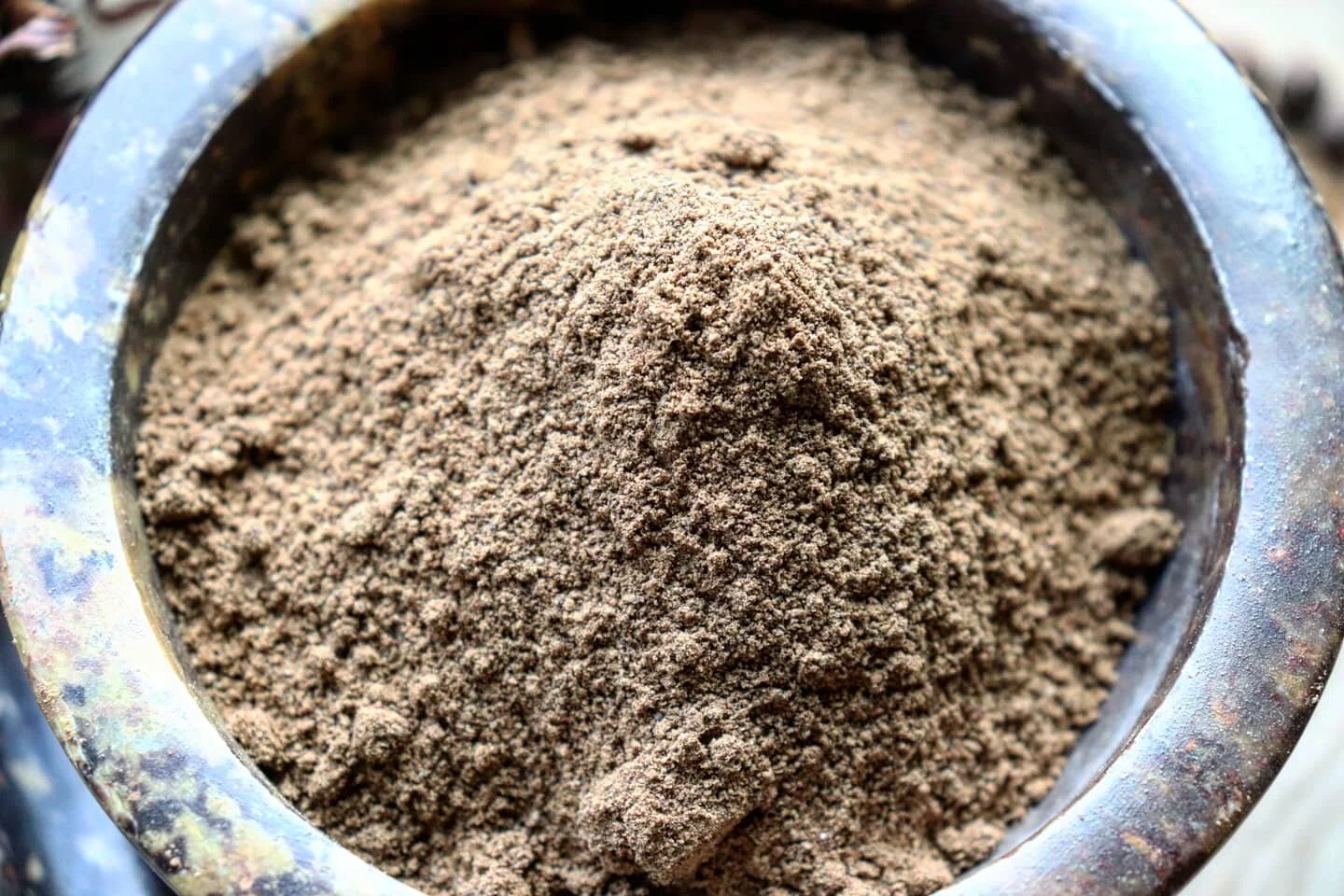
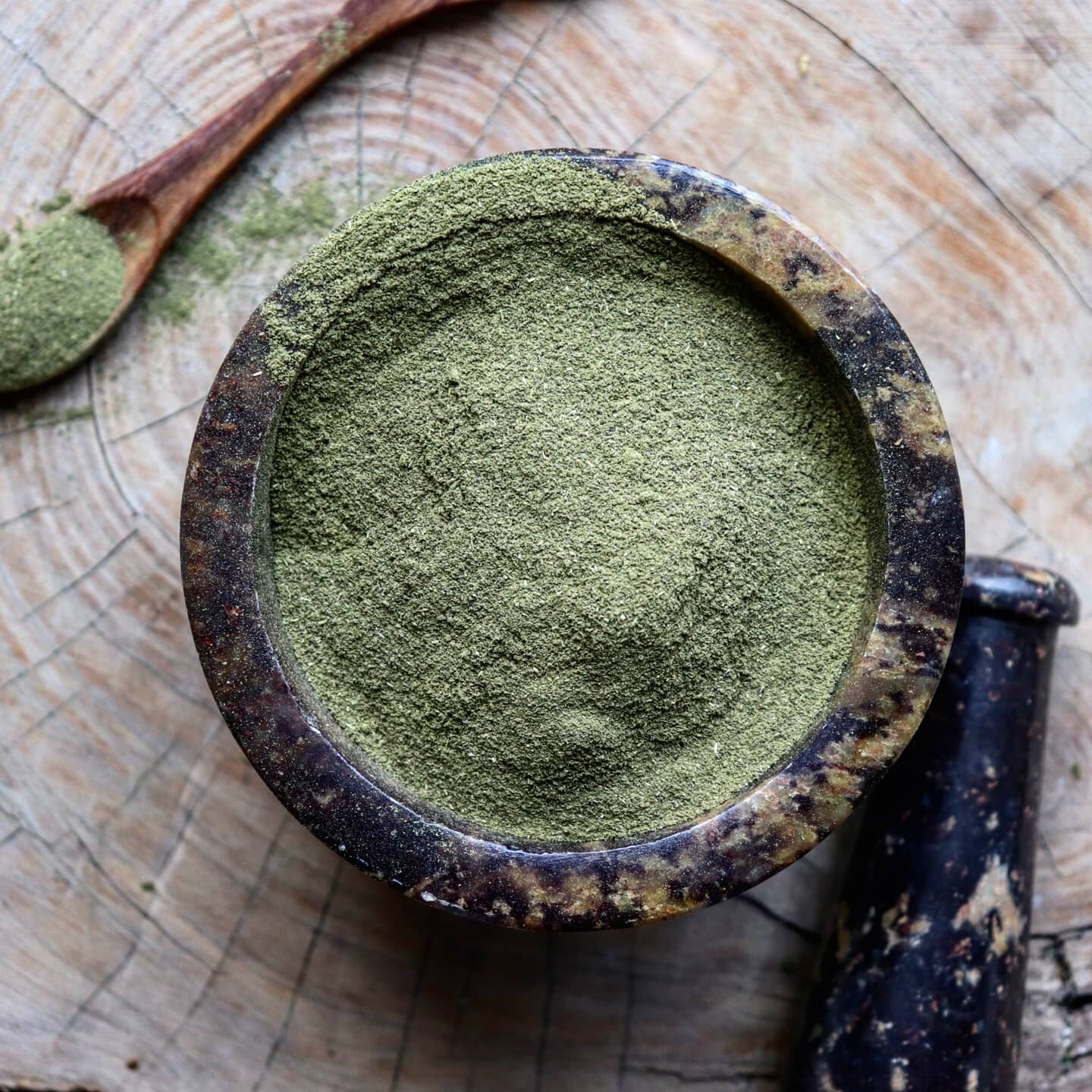
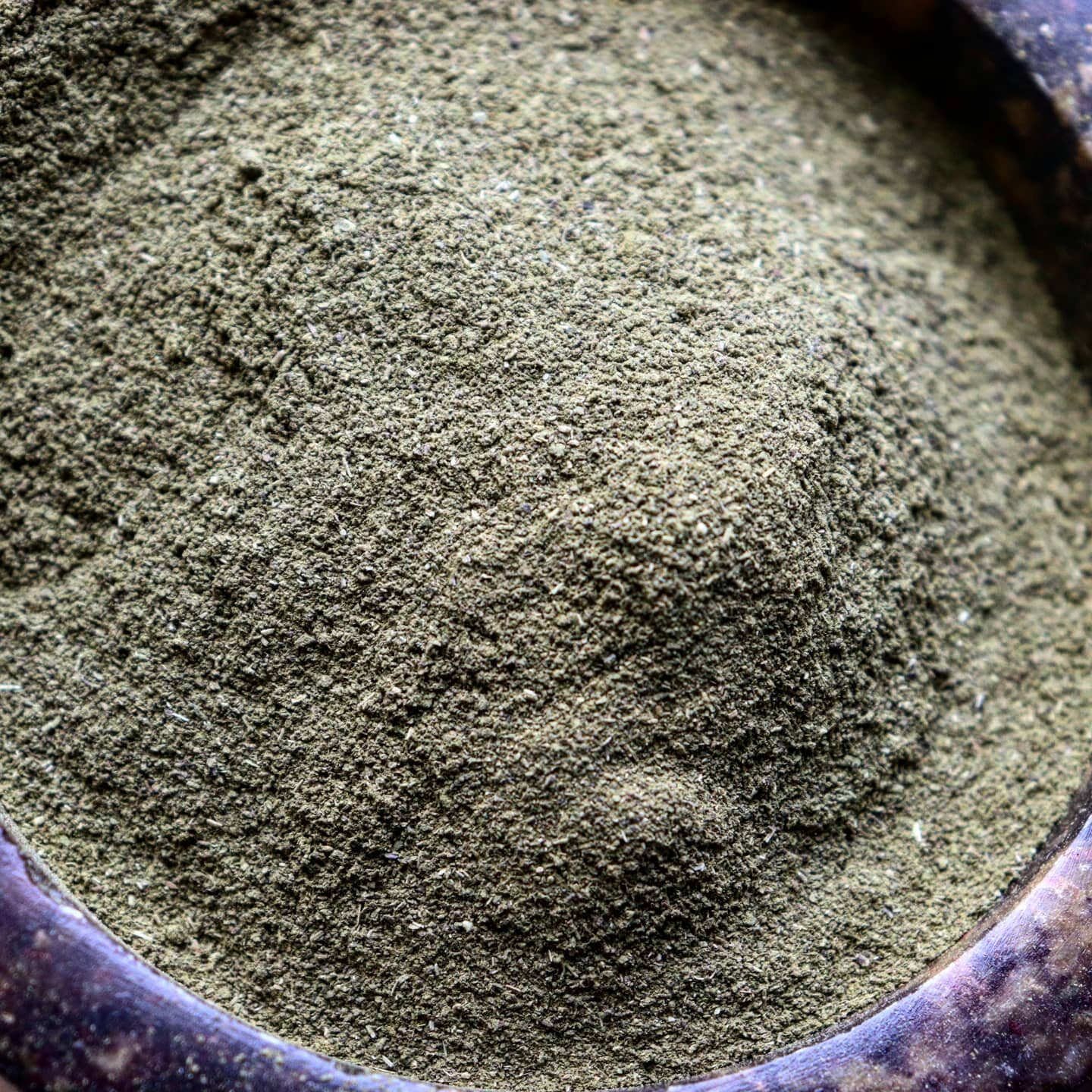
Powder—available in 1 ounce or 1/2 ounce and packaged in a plastic pouch.
For centuries, black walnut has been a source of food and wellness support for indigenous populations. Black walnut hull is astringent and tannic and can be infused, tinctured, encapsulated, or used as a dye for fabrics.
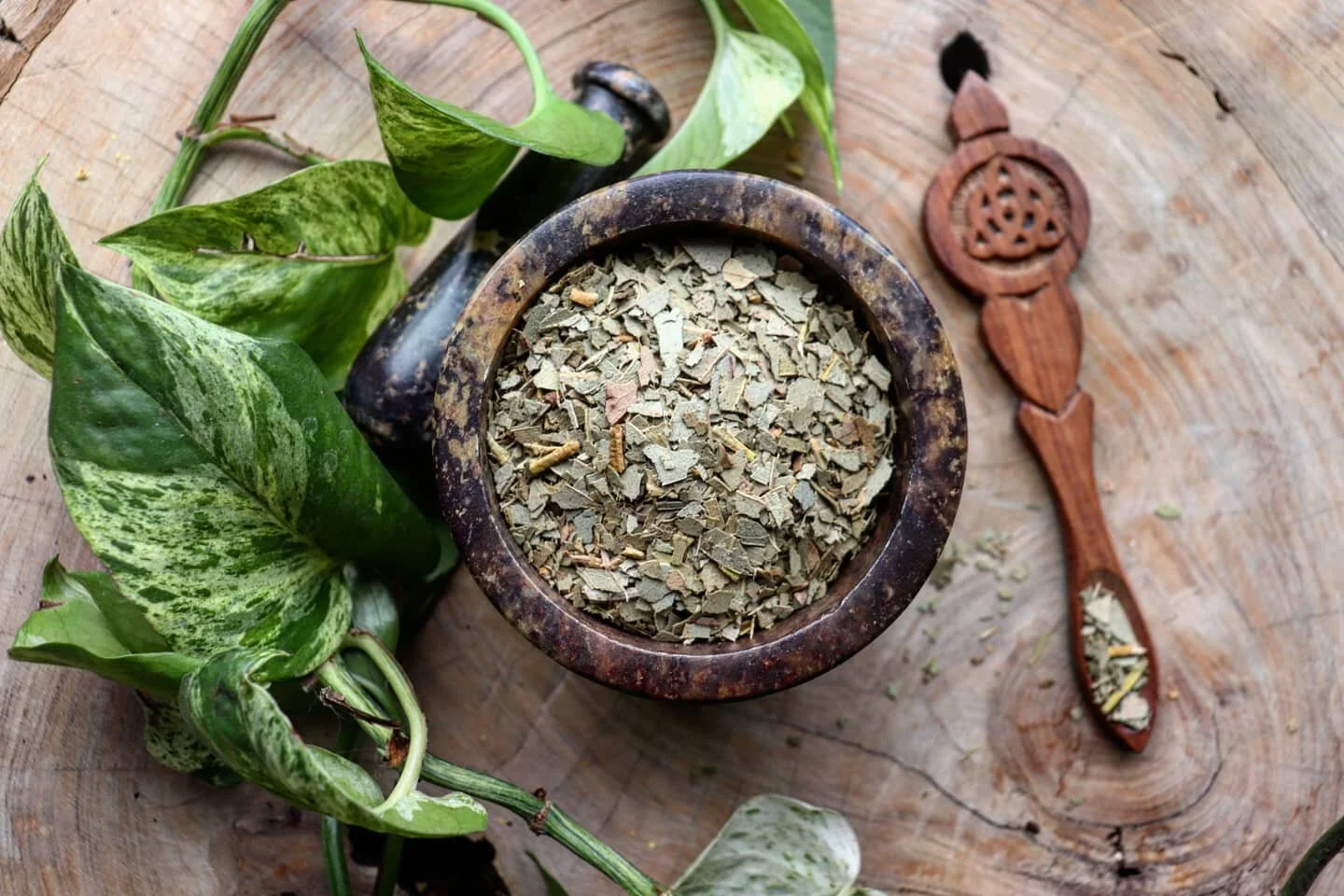
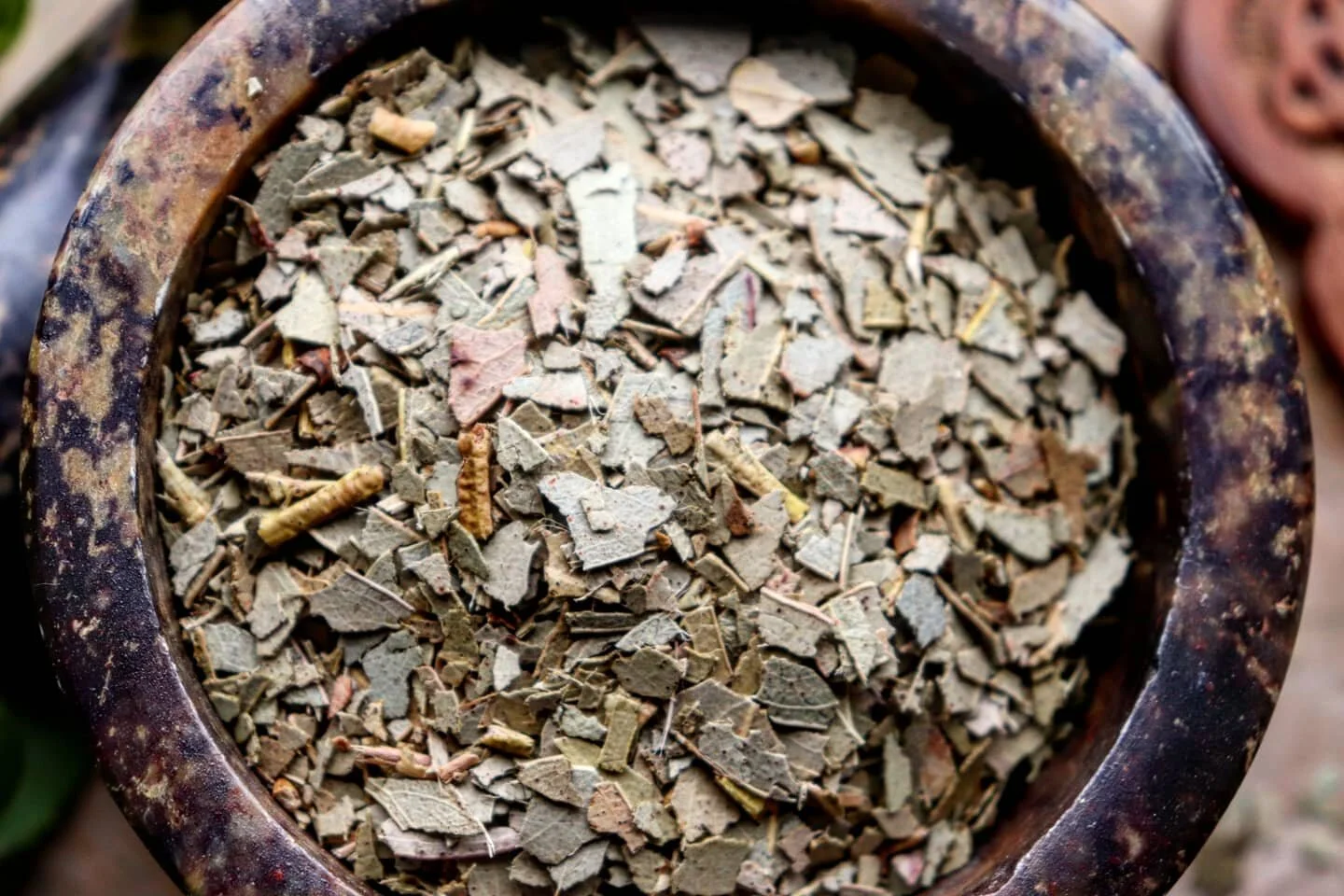
Black walnuts are smaller, harder, and more pungent than the English walnuts sold in grocery stores. The hulls without the meaty kernels inside are used in traditional herbalism.
Walnuts and walnut oil should be used with caution or not at all by people who are allergic to other nuts and nut oils. It is also known to cause liver damage long term—do not consume the walnut hull powder. THough the ‘meat’ inside black walnuts is edible.
History + Folklore
One of the few things people often know about black walnut is that it is allelopathic, meaning that it produces a chemical called juglone that oxidizes in soil and prevents certain kinds of other plants from growing under or near it. It also can increase the soil alkalinity around the roots. Some plants, like black raspberry or serviceberry, have no difficulty growing under black walnut. Others, like tomatoes, pines, apples, or birches, cannot grow and will be poisoned by the juglone.
Magickal
Wishing, Healing, Banishing
Black walnut is considered a “masculine” tree associated with the element of fire and the sun.
Ink made from walnuts (black walnut produces the darkest color) is wonderful for writing spells on paper and for writing in one’s Book of Shadows and for darkening magical tools made from wood.
Walnut, through its very nature of producing juglone, expels things away. Walnut’s same medicinal qualities expel parasites from the body. We see this same expelling quality in the lore and magical lore of walnut. Given all of these parallels, it is reasonable to connect these to the spirit world: I would certainly want walnut as an ally on my side when there were things I wanted to be rid of, especially spirit activity.
Juglans nigra
USDA organic & Kosher
Powder—available in 1 ounce or 1/2 ounce and packaged in a plastic pouch.
For centuries, black walnut has been a source of food and wellness support for indigenous populations. Black walnut hull is astringent and tannic and can be infused, tinctured, encapsulated, or used as a dye for fabrics.
Black walnuts are smaller, harder, and more pungent than the English walnuts sold in grocery stores. The hulls without the meaty kernels inside are used in traditional herbalism.
Walnuts and walnut oil should be used with caution or not at all by people who are allergic to other nuts and nut oils. It is also known to cause liver damage long term—do not consume the walnut hull powder. THough the ‘meat’ inside black walnuts is edible.
History + Folklore
One of the few things people often know about black walnut is that it is allelopathic, meaning that it produces a chemical called juglone that oxidizes in soil and prevents certain kinds of other plants from growing under or near it. It also can increase the soil alkalinity around the roots. Some plants, like black raspberry or serviceberry, have no difficulty growing under black walnut. Others, like tomatoes, pines, apples, or birches, cannot grow and will be poisoned by the juglone.
Magickal
Wishing, Healing, Banishing
Black walnut is considered a “masculine” tree associated with the element of fire and the sun.
Ink made from walnuts (black walnut produces the darkest color) is wonderful for writing spells on paper and for writing in one’s Book of Shadows and for darkening magical tools made from wood.
Walnut, through its very nature of producing juglone, expels things away. Walnut’s same medicinal qualities expel parasites from the body. We see this same expelling quality in the lore and magical lore of walnut. Given all of these parallels, it is reasonable to connect these to the spirit world: I would certainly want walnut as an ally on my side when there were things I wanted to be rid of, especially spirit activity.

 Image 1 of 3
 Image 2 of 3
 Image 3 of 3